

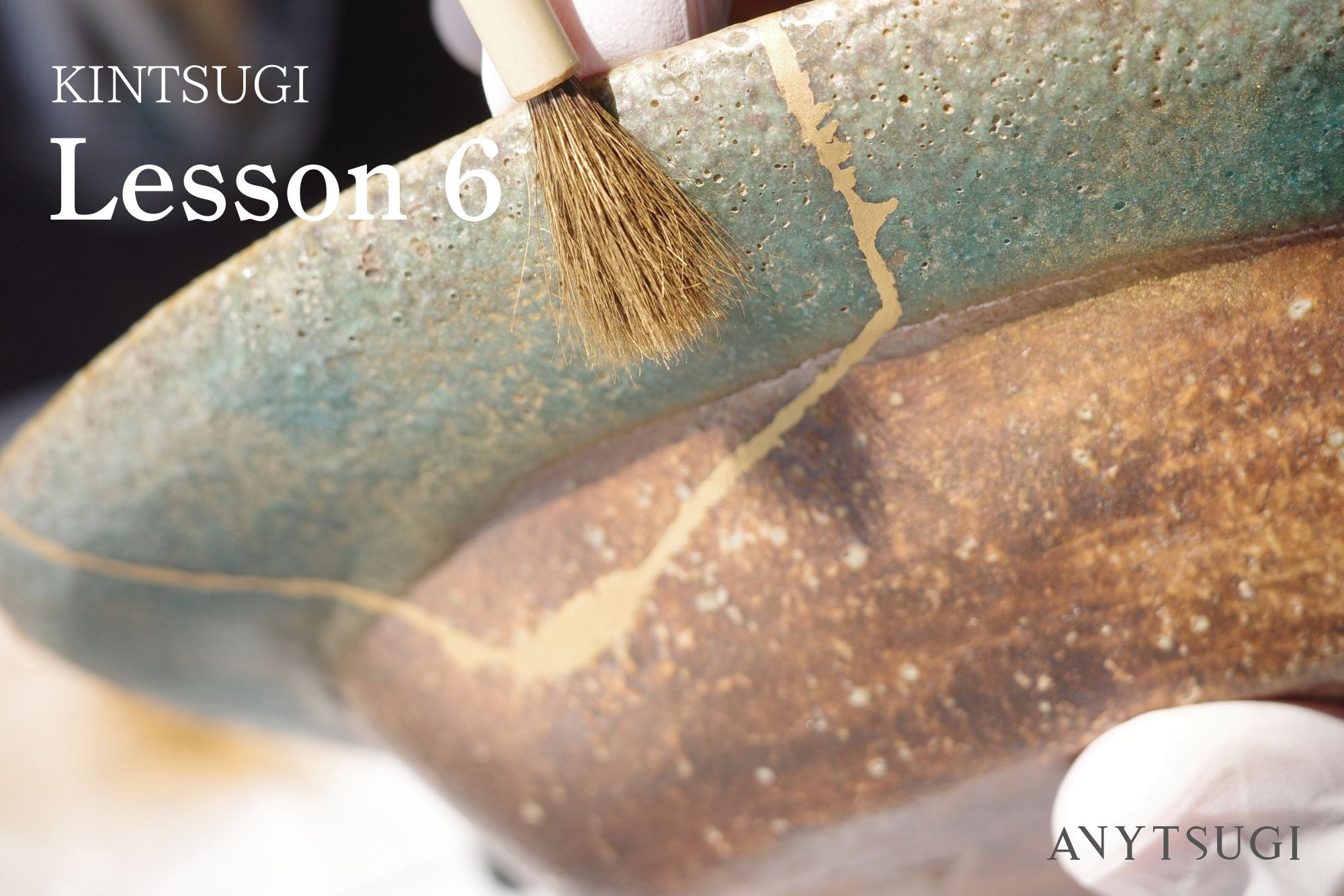
[How to Do Kintsugi, Part 6] The Finishing Step — How to Apply Gold Powder & Care for Your Vessel
This is "ANYTSUGI Kintsugi Workshop," a six-part series on how to do Kintsugi. In this final installment, we cover the finishing step — sprinkling gold powder over the urushi to create the beautifu...
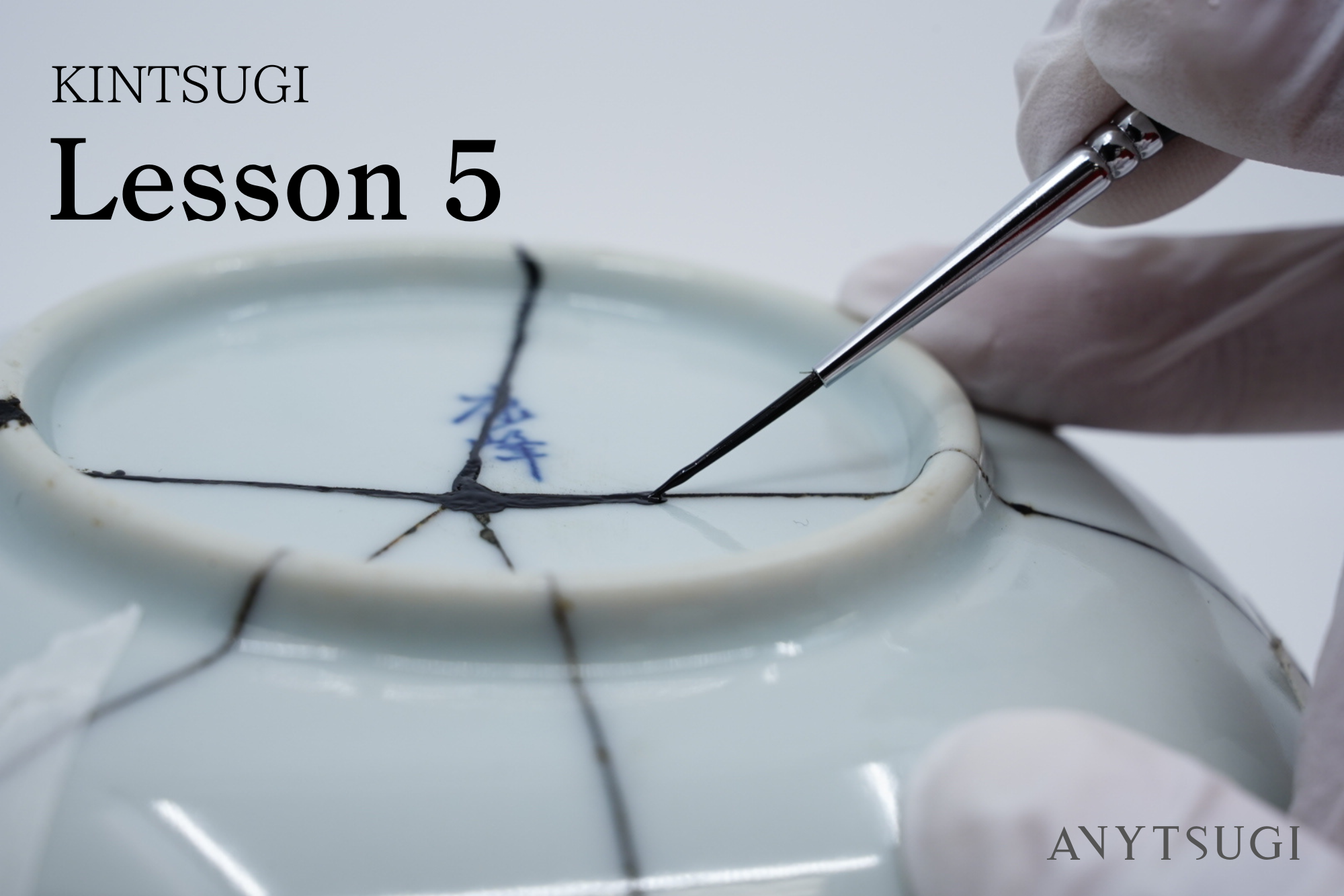
[How to Do Kintsugi, Part 5] The Intermediate Coat — Building the Base for Flawless Gold Adhesion
This is "ANYTSUGI Kintsugi Workshop," a six-part series on how to do Kintsugi. In this fifth installment, we cover the intermediate coat — preparing the base so gold powder adheres evenly. Sand dow...
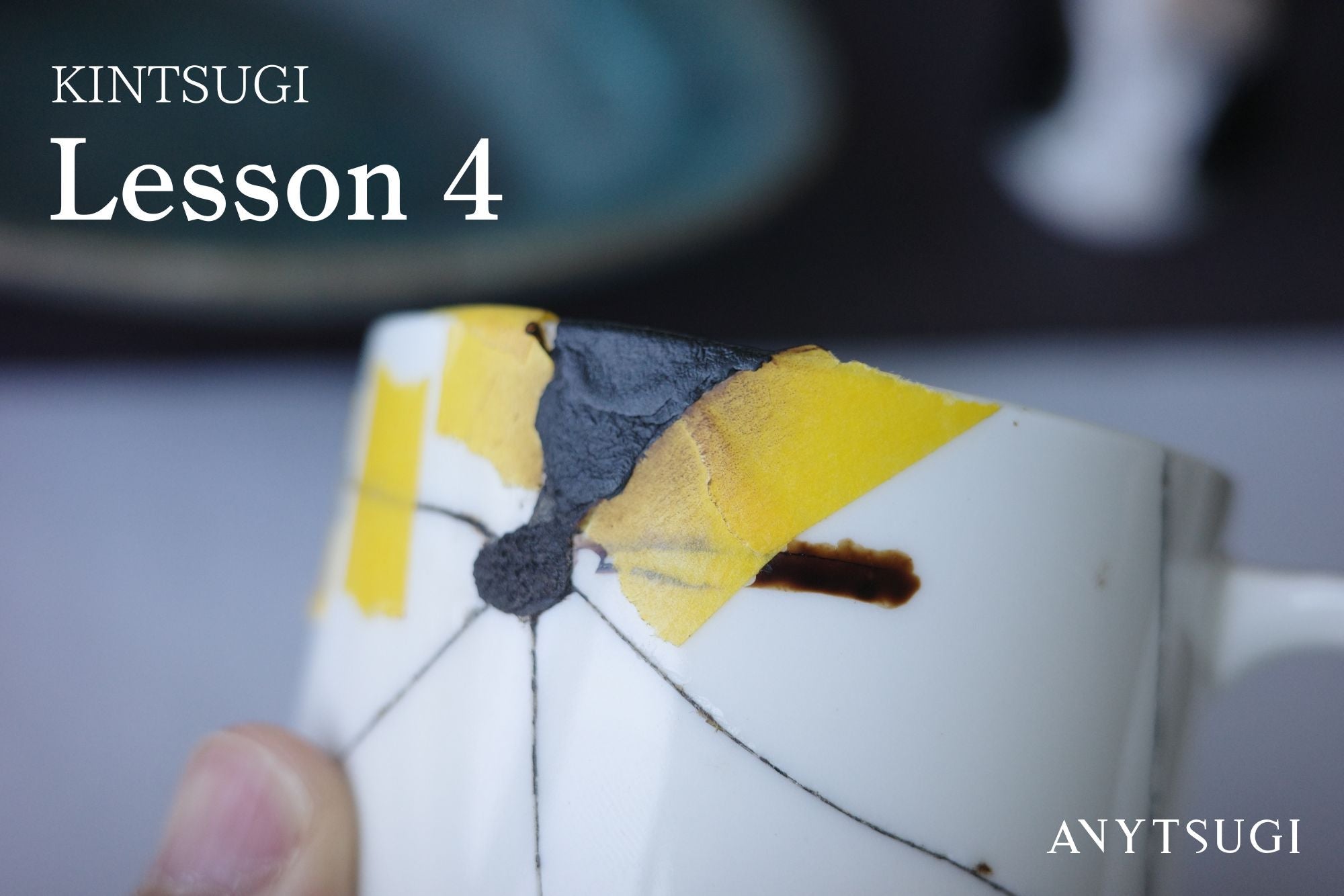
[How to Do Kintsugi, Part 4] Filling Chips — Kokuso-Urushi vs. Sabi-Urushi: When to Use Each
This is "ANYTSUGI Kintsugi Workshop," a six-part series on how to do Kintsugi. In Part 4, we cover "filling chips" — the process of filling in any unevenness or gaps left after bonding and leveling...
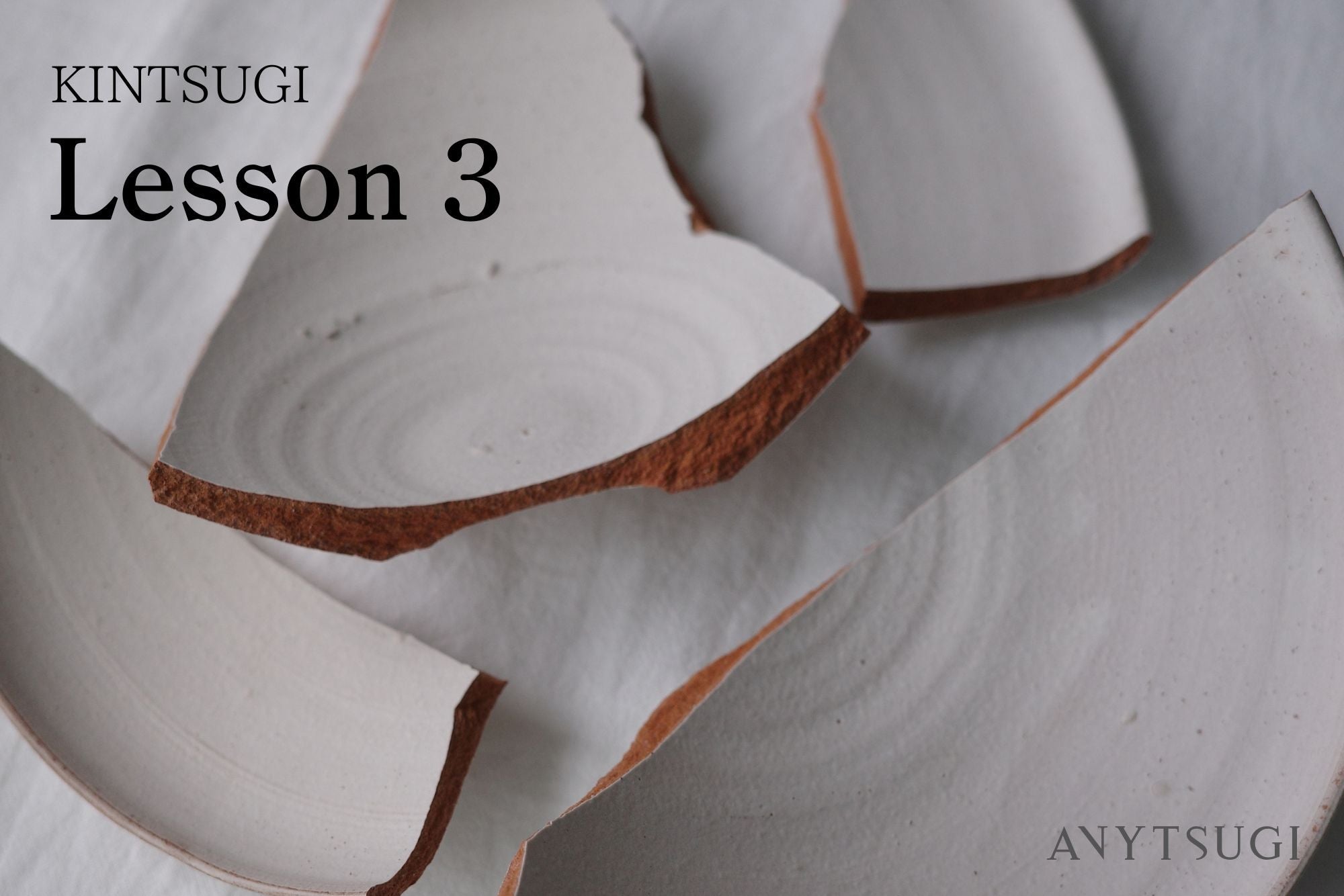
[How to Do Kintsugi, Part 3] Bonding a Break — How to Make Mugi-Urushi & Tips for a Clean Finish
This is "ANYTSUGI Kintsugi Workshop," a six-part series on how to do Kintsugi. In this third installment, we cover "bonding a break" — the process of rejoining a broken vessel. The adhesive used in...
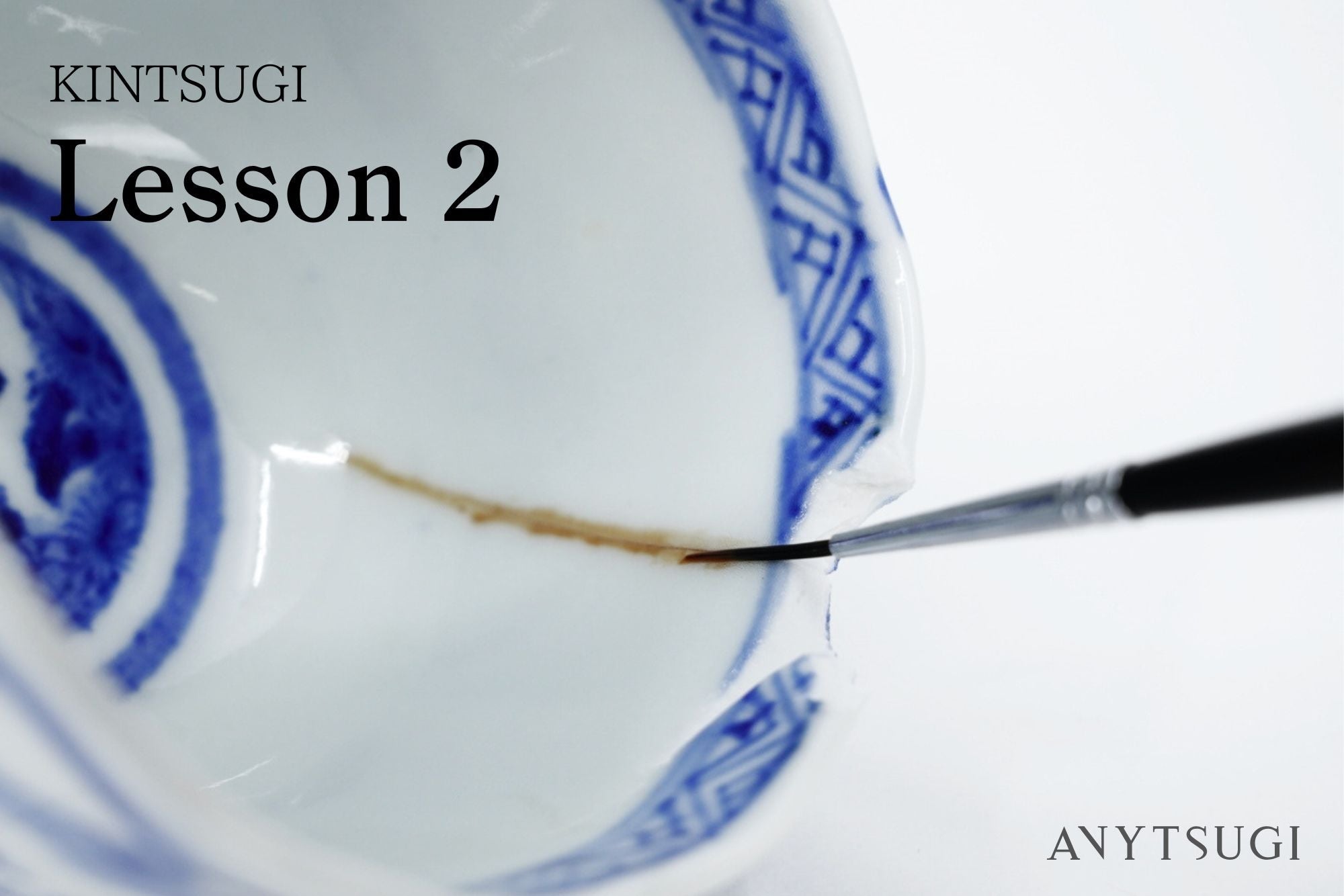
[How to Do Kintsugi, Part 2] Repairing Cracks — How to Stop Water Leaks with Raw Urushi
This is the second installment in "ANYTSUGI Kintsugi Workshop," a six-part series on how to do Kintsugi. In this installment, we cover how to repair cracks. Repairing a crack is one of the simpler ...
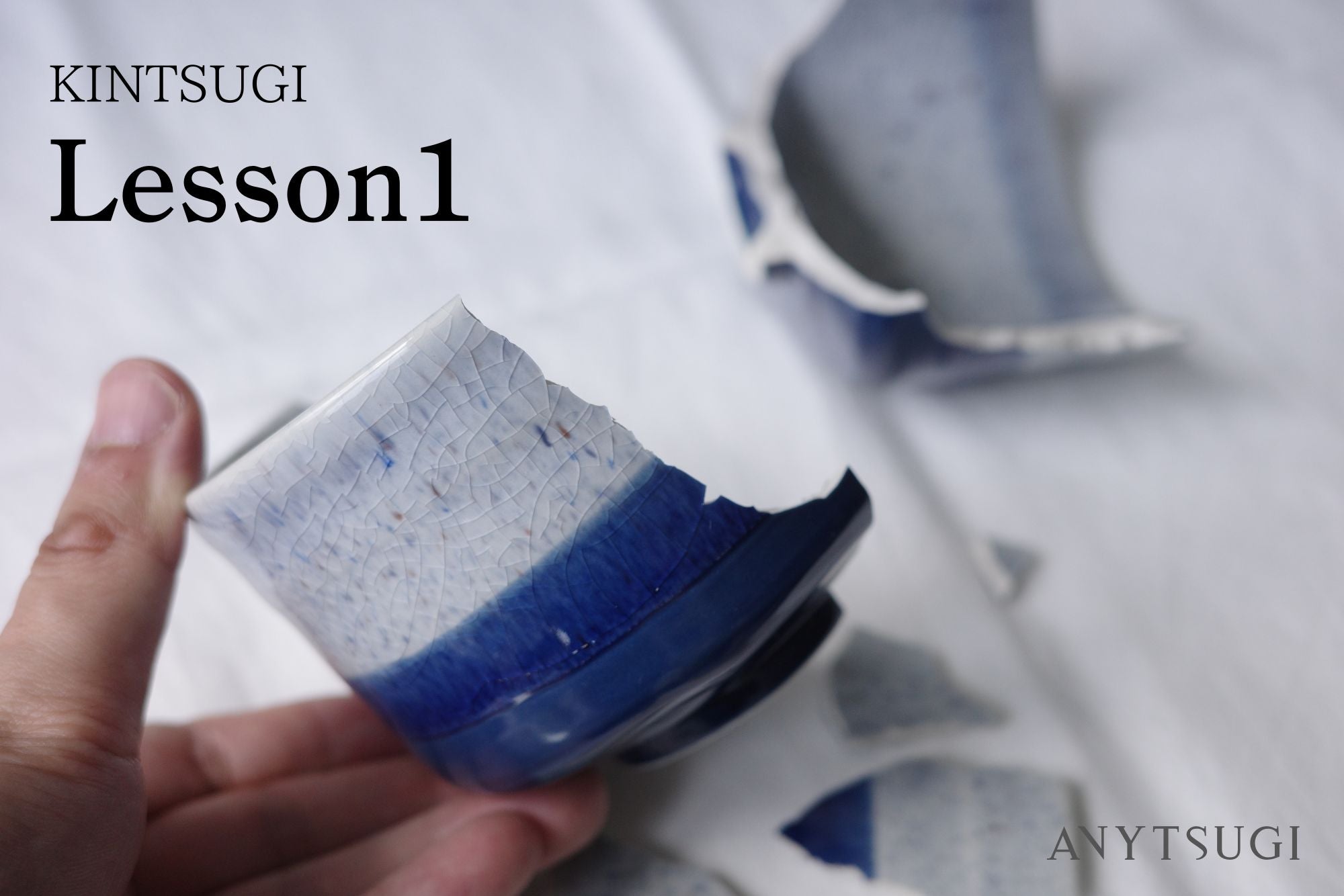
[How to Do Kintsugi, Part 1] Tools, Materials & What to Know Before You Start
Kintsugi is a traditional Japanese restoration technique that uses urushi and gold powder to repair broken or chipped vessels. Rather than hiding the damage, it transforms the gold lines into part ...

What Makes a Food Safe Kintsugi Kit? Materials to Avoid and Why
Whether a vessel repaired with kintsugi is safe to use as tableware depends on what materials were used in the repair. The safety varies depending on whether traditional kintsugi (with natural urus...

What Can't Be Repaired with Kintsugi? Reasons and Alternatives by Type of Vessel
We receive many inquiries at ANYTSUG asking, "Can this piece be repaired with kintsugi?" One of the most common items is glassware. While glass can be repaired with kintsugi, it is more challenging...

What You Need to Know About Safety Before Using Porcelaine 150 for DIY Kintsugi
Porcelaine 150, the acrylic paint commonly used for kintsugi-style repairs, is not recommended for use on tableware. Extra caution is advised in particular for areas that ...

Kintsugi dishes cannot be used in the microwave or dishwasher. This article explains the care rules for traditional kintsugi and examines whether "microwave-safe" r...

What Is "Shin-Urushi" in Simplified Kintsugi? Differences from Real Urushi and Safety Considerations
If you've accidentally broken a dish and started searching for an easy way to repair it, there's a good chance you've come across "shin-urushi" — a material commonly used in simplified kintsugi. "I...
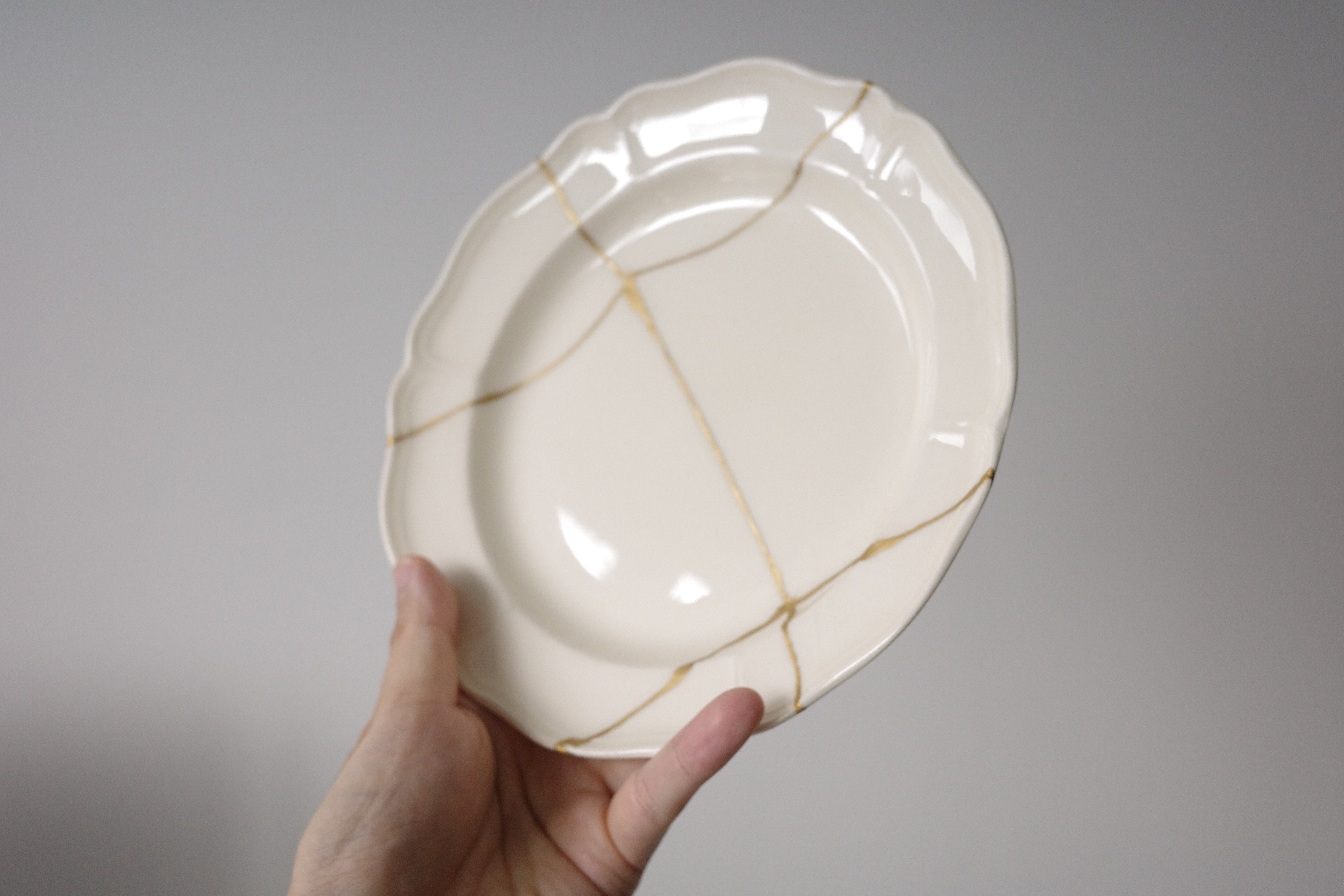
Authentic Urushi Kintsugi vs. Simplified Kintsugi: Understanding the Differences and How to Choose
Kintsugi, the Japanese craft known for repairing vessels, currently comes in two main types. One is the traditional method called "authentic urushi kintsugi." The other is "simplified kintsugi," wh...

How Much Does Kintsugi Repair Cost? A Guide to Pricing Based on Damage and Finish
The typical cost of kintsugi repair ranges from ¥5,000 to around ¥20,000. Small chips or cracks may only cost a few thousand yen, but larger breaks can exceed ¥10,000. In this article, we explain t...