

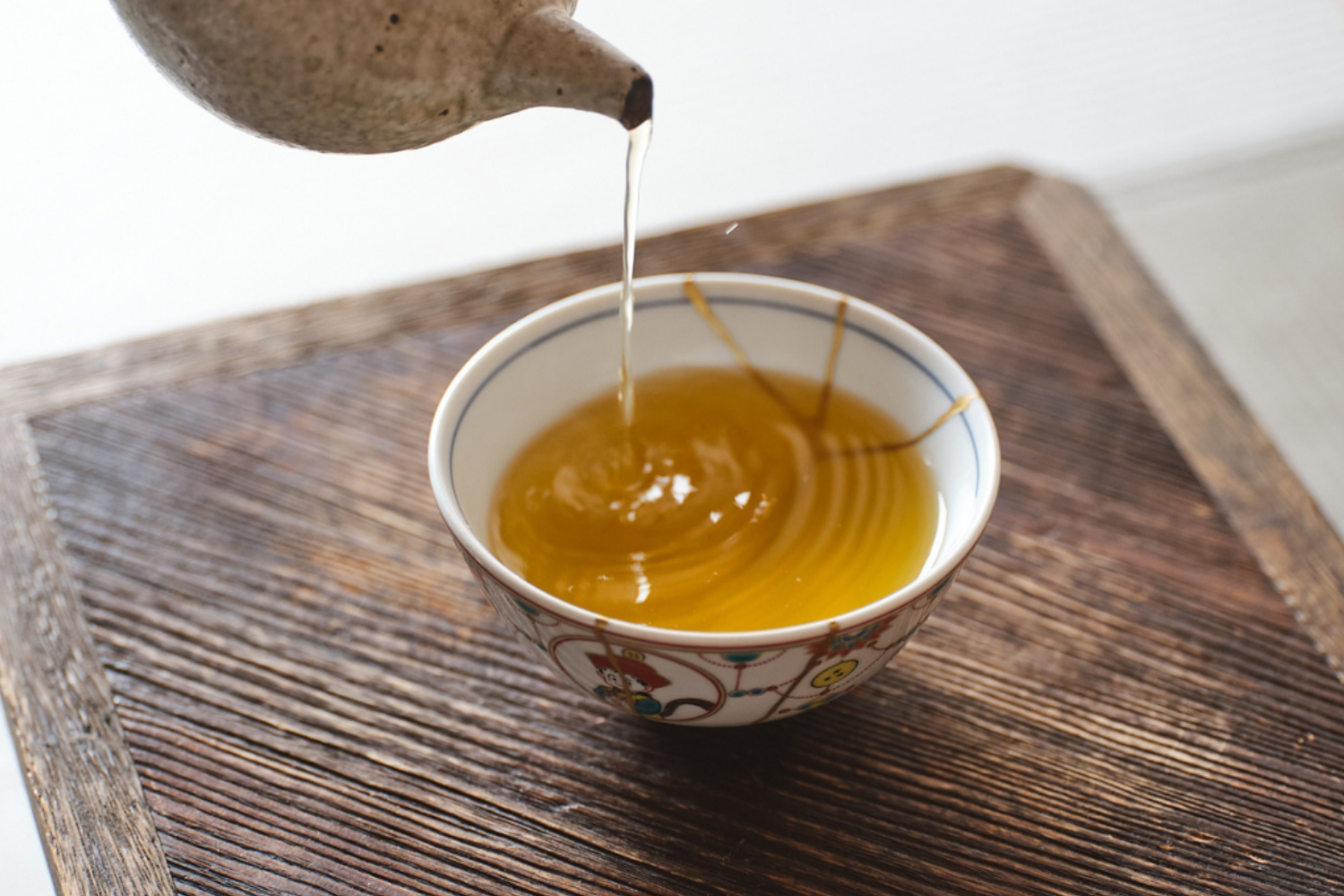

Kintsugi is a traditional Japanese repair technique passed down for over 500 years. Rather than hiding the scars of broken pottery, this method celebrates them with gold—a distinctly Japanese aesthetic that finds beauty in imperfection and transience.
We've carefully selected 20 quotes that capture the spirit of "wabi-sabi" at the heart of kintsugi, drawn from Japanese literature, books, and international authors.
10 Wabi-Sabi Quotes Embodying the Spirit of Japanese Kintsugi
The beauty of kintsugi lies not in perfection, but in "time held within imperfection." Wabi-sabi is a uniquely Japanese aesthetic that doesn't reject flaws or absence, but rather embraces them as sources of depth. Here are 10 quietly moving quotes that resonate with the spirit of kintsugi. Reading them may gently shift how you see broken things.
"The oak leaves fall without turning red, piling up on the mountain temple path—such loneliness" —Waka poem by Jien

Source: Wikipedia
Jien was a Tendai Buddhist monk who lived in the 12th-13th centuries. He wrote about oak leaves that fall while still green, never turning into autumn colors.
While the word "loneliness" might sound negative, it actually expresses finding natural solitude and inner fulfillment in the sight of withered leaves accumulating—beauty untouched by human hands.
This "loneliness" is an essential word in kintsugi, representing the mindset of finding value in things that have decayed or broken.
*One of the major schools of Japanese Buddhism
"The flowing river never stops, yet the water is never the same" —Kamo no Chōmei, 'Hōjōki'

Source: Wikipedia
This phrase expresses "impermanence"—the idea that nothing remains unchanged. Kamo no Chōmei experienced fires, tornadoes, and famines throughout his life, and 'Hōjōki' is an essay expressing the transience of all things based on his experiences.
Kintsugi creates new value by mending broken pieces with gold. The accumulation of golden repairs over time is itself "impermanence." While restoration allows eternal use, it's also about enjoying the evolution of the piece.
"In all things, only the old ways are beloved" —Yoshida Kenkō, 'Tsurezuregusa'

Source: Wikipedia
'Tsurezuregusa' is a classic work of Japanese literature written in the late 14th century. This nostalgia for good old things represents a Japanese value system that cherishes and finds worth in techniques and objects passed down through generations.
The passage continues: "Modern things seem to grow increasingly vulgar." This sentiment may resonate even today when observing the low-cost production and mass manufacturing of goods and techniques.
"What is secret is the flower. Without secrecy, there can be no flower" —Zeami, 'Fūshikaden'
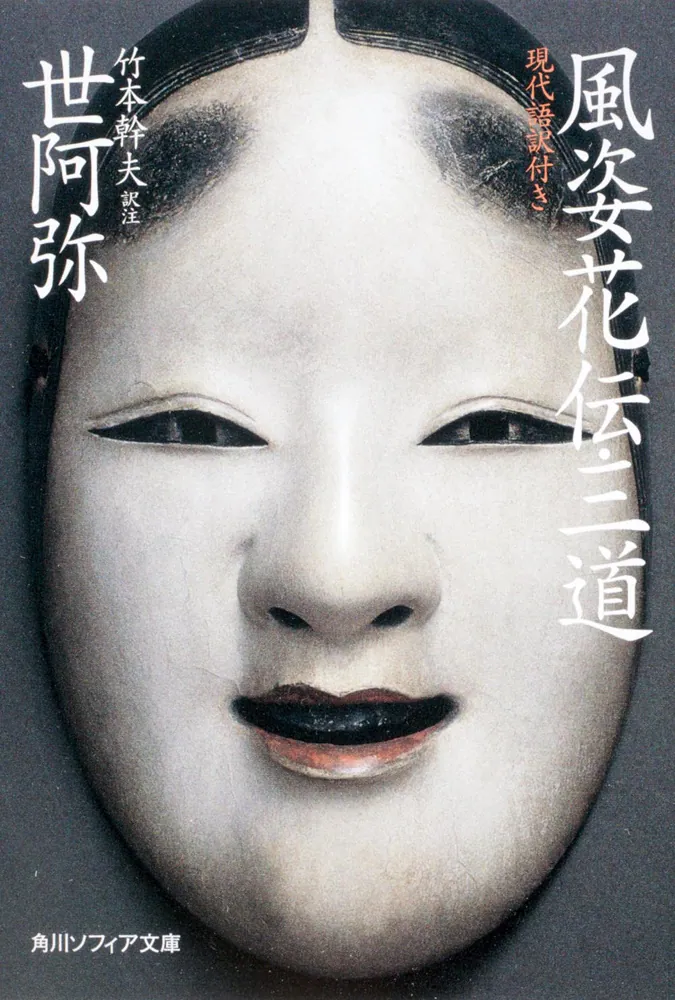
Source: Kadokawa Official Website
'Fūshikaden' is Japan's oldest theatrical treatise, written by the Noh actor Zeami. In essence, this teaches that in performing arts, one should not reveal everything—leaving room for "concealment" and "empty space" is essential.
Kintsugi decorates only the scars with gold. It never covers the entire piece in gold. Beautiful kintsugi lines exist precisely because of the "empty space" of the vessel itself.
"Without knowing the unchanging, one cannot truly know" —Matsuo Bashō, 'Sanzōshi'

Source: Wikipedia
Matsuo Bashō established Japanese haiku as a poet who traveled throughout the country composing many verses.
This phrase means that true mastery of art can only be achieved by understanding both "unchanging universal truth (fueki)" and "freshness that changes with time and circumstances (ryūkō)."
If we view the enduring vessel as fueki and the golden kintsugi traces of cracks as ryūkō, kintsugi embodies Bashō's artistic values.
"True beauty is discovered only by those who mentally complete the incomplete" —Okakura Kakuzō, 'The Book of Tea'

Source: Wikipedia
Okakura Kakuzō was an art critic active in the late 18th century who founded the Japan Art Institute. This statement strikes at the core of Japanese art, asserting that "incompleteness" itself creates beauty.
Perfect words for kintsugi, which mends imperfect broken vessels with gold.
"Beauty resides not in objects themselves, but in the patterns of shadow and light created between objects" —Tanizaki Jun'ichirō, 'In Praise of Shadows'

Source: Wikipedia
This aesthete writer's words contrast with Western art's emphasis on form, outline, and bright colors, stating that Japanese beauty lies not in objects themselves but in the surrounding environment and how shadows fall.
The idea that an artwork's beauty comes not from the piece itself but from its background and how it has been used may resonate beyond Japanese art.
Kintsugi pottery is meant for everyday use, not display. Finding beauty in decorating items for daily use is meaningful in itself.
"'Beauty' exists not only in brilliant colors" —Akutagawa Ryūnosuke, 'Literary, All Too Literary'

Source: Wikipedia
This quote comes from an essay published in a magazine by the renowned Japanese literary master Akutagawa Ryūnosuke. While the work became famous for its debate with contemporary writer Tanizaki Jun'ichirō about "the artistry of plot in novels," this phrase was used in praise of Shiga Naoya's literary expression.
"Brilliant colors" refers to magnificent expression and spectacular appearance. In contrast, the message encourages paying more attention to Shiga Naoya's everyday expressions grounded in reality.
Kintsugi pottery is not decorative. It's meant for daily use—tableware repaired with gold. There lies reality, and essence in everyday life where you feel beauty in fleeting moments.
"A single flower suggests more magnificence than a hundred flowers" —Kawabata Yasunari, 'Japan, the Beautiful, and Myself'

Source: Wikipedia
Kawabata Yasunari was Japan's first Nobel Prize-winning author. This speaks to the Japanese spirit of perceiving true magnificence and vitality in modest simplicity rather than ostentatious luxury.
Beauty isn't about abundance. A single golden line on simple tableware may feel more beautiful because it embodies the Japanese spirit that carries true magnificence.
"Life can be started over many times. People live while mending" —Hori Michihiro, 'Kintsugi Ojisan'
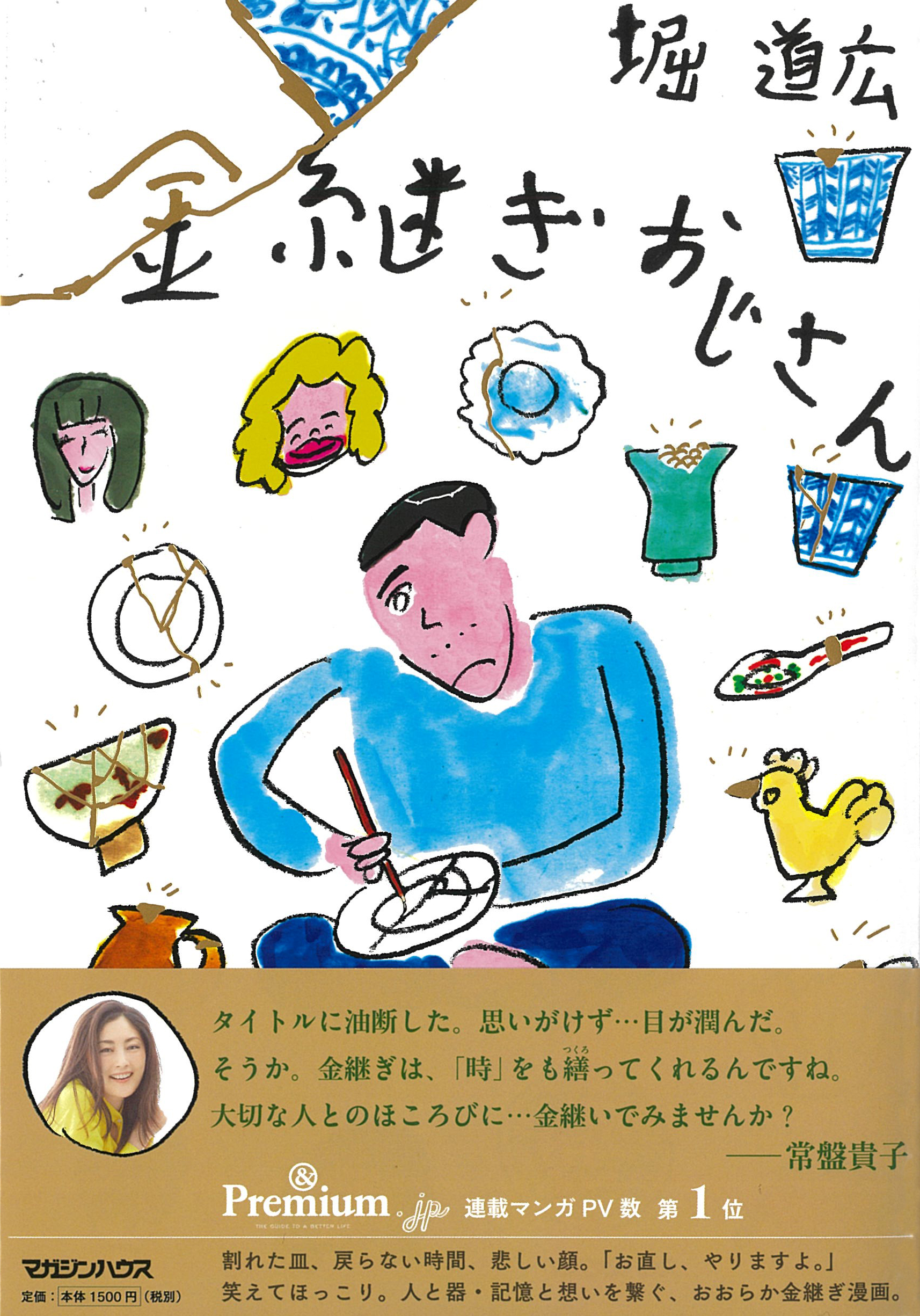
Source: SHURO
This is a passage from a recently published manga. Just as broken vessels are mended with kintsugi, human lives can be mended and continued again and again—comparing life to kintsugi.
If you believe mistakes in life can't be undone, remember these words. When you're feeling down, this message will resonate deeply.
The detailed kintsugi process is also depicted in manga format, so if you're interested, please pick up a copy.
8 International Kintsugi Quotes That Cross Borders
While kintsugi is a traditional Japanese technique, it's now spreading worldwide as a philosophy of "becoming beautiful while carrying scars."
In a world that pursues perfection, this approach of giving meaning to chips and cracks has quietly saved many hearts. Here we introduce 10 quotes from international words and thoughts that resonate with kintsugi. Let these "words of renewal" that echo across borders gently remain within you.
"The damage was not to be forgotten or ashamed of or hidden from the world, it was meant to beautify the piece. They don't use invisible superglue, they use gold, because your failures are not meant to be ugly." —Penny Reid

Source: Romancelandia Wiki
Penny Reid is an American romance novelist. She describes broken vessels as "failures" and writes about using gold in a way that affirms the event of failure itself.
"Repairing something made you really love it. You came to know its eagerness to be reassembled, and with your fingers you could trace its many cracks, which only you could feel. It was a bond stronger than mere possession." —Nicholson Baker, 'Room Temperature'
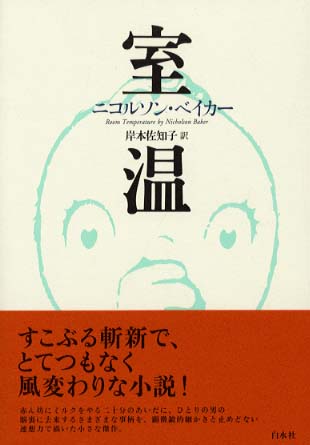
Source: Kinokuniya
This presents kintsugi pottery from an interesting angle. Only you can feel the countless cracks because only you know the meaning behind those scars.
To others it may be simply beautiful kintsugi pottery, but to you it's a companion that shared experiences, something you feel even more attached to.
"The idea that breakage and repair are part of the story, not something to be ashamed of or hidden, captivated Alice." —Holly Ringland, 'The Lost Flowers of Alice Hart'
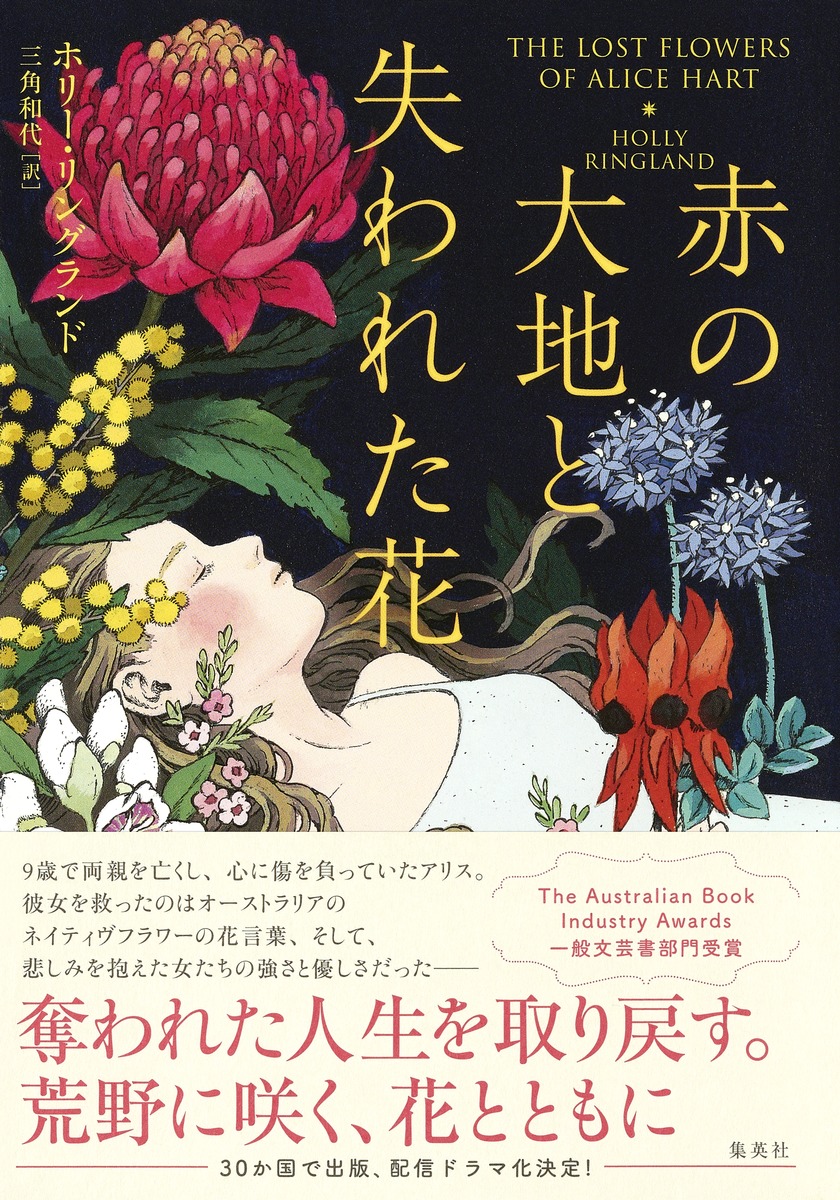
Source: Shueisha
The interpretation that breakage and repair are part of the story is fascinating. The act of kintsugi is treated as a "ritual of renewal," giving it special meaning beyond simply fixing a vessel.
"Flaws don't diminish a work's value, they become focal points, areas of physical and aesthetic strength. The scars tell the story of the piece, inscribing past experiences." —Rick Rubin, 'The Creative Act'

Source: Gene Books
Rick Rubin is an American music producer. This book offers 78 insights for enhancing creativity, including references to kintsugi.
He speaks positively of scars, viewing them as beauty connected to past experiences.
"It's called kintsugi. You break a pot and carefully reassemble it with resin mixed with gold. It's symbolic of the way you have to take in your damage, not just repair it and forget it happened." —David Wong, 'Futuristic Violence and Fancy Suits'

Source: Wikipedia
This thriller novel with dark comedy elements references kintsugi within the SF/near-future suspense genre.
"Kintsugi is not just a repair method but also a philosophy: the belief that damage, cracks, and repair should not be hidden but become a treasured and honored part of an object's history. In fact, the piece becomes more beautiful for having been broken." —Kathleen Tessaro

Source: Kinokuniya
Kathleen Tessaro is an American historical novelist. Several of her works have been translated into Japanese, so some Japanese readers may know her.
In this statement, kintsugi is described as a repair method that accepts cracks and chips not as "failures" to hide, but as the time the vessel has lived through.
"Beauty can transform lost pieces of a broken heart into poetry and mentally rebuild and re-create the shattered in a new reality. Like the Japanese art of Kintsugi, that repairs pottery by mending the broken parts with gold, rather than trying to disguise them, we may celebrate its history and glorify its imperfection." —Erik Pevernagie

Source: Wikipedia
Erik Pevernagie is a Belgian painter.
The spirit of kintsugi is woven into his words about beauty. You can glimpse respect for the Japanese technique of celebrating imperfection through re-creation.
"Hardship becomes your story. That's the beauty of kintsugi. Your cracks can become your most beautiful parts." —Candice Kumai

Kintsugi Is More Than Just "Repair"
While kintsugi is a technique for fixing broken vessels, it teaches us even more about "how to live after being broken." Not erasing scars, but becoming beautiful while carrying them—this philosophy applies to both objects and people.
Kintsugi has transcended mere "repair" to touch upon values and ways of holding your heart. Through kintsugi, you might even come to love the "broken parts" within yourself.


Leave a comment
This site is protected by hCaptcha and the hCaptcha Privacy Policy and Terms of Service apply.