




Antique Kutani Ware Teacup, Meiji Era – Japanese Pottery Repaired with Gold (Kintsugi), Crane & Mt. Fuji Design
* Shipping calculated at checkout. Customs duties may be charged separately upon delivery.
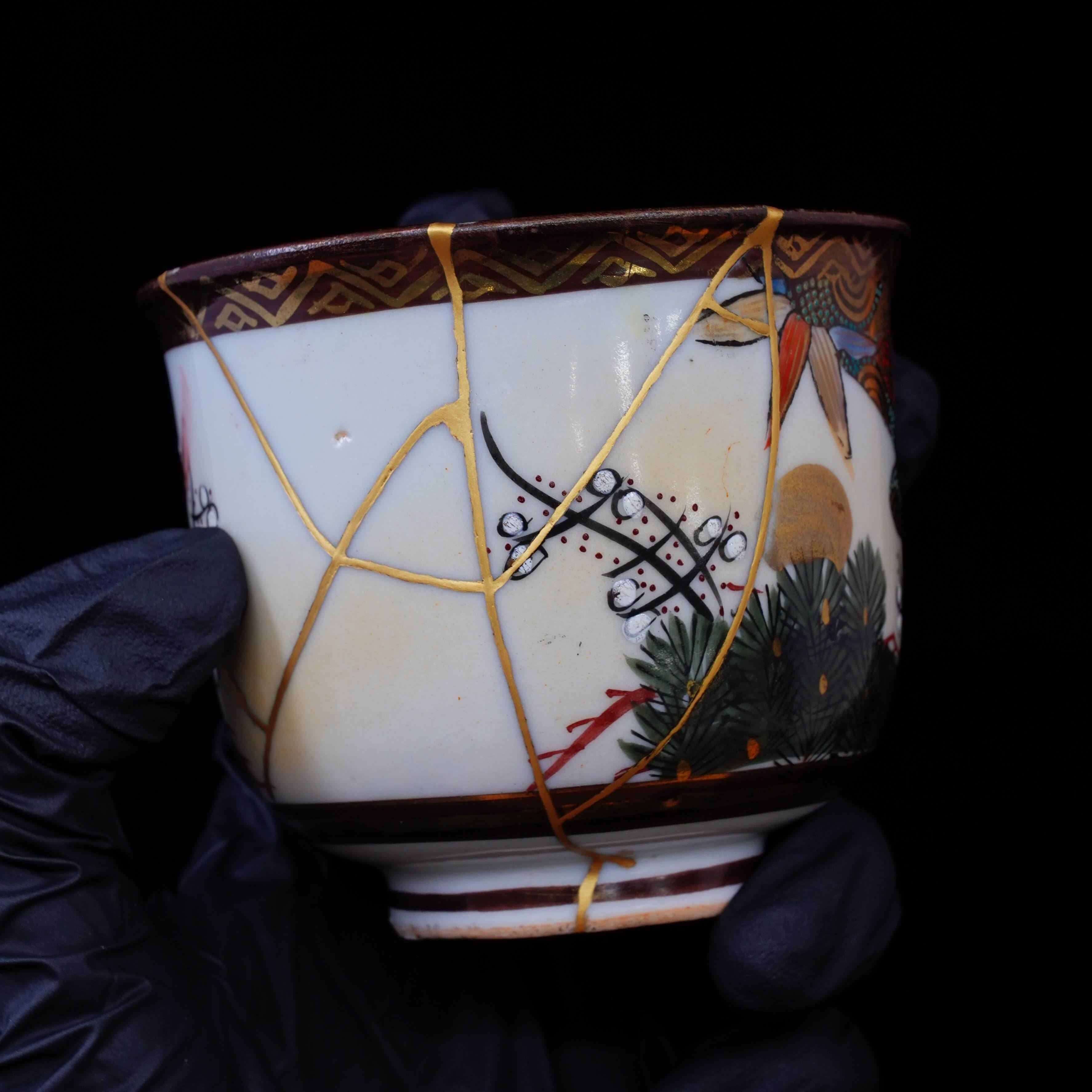
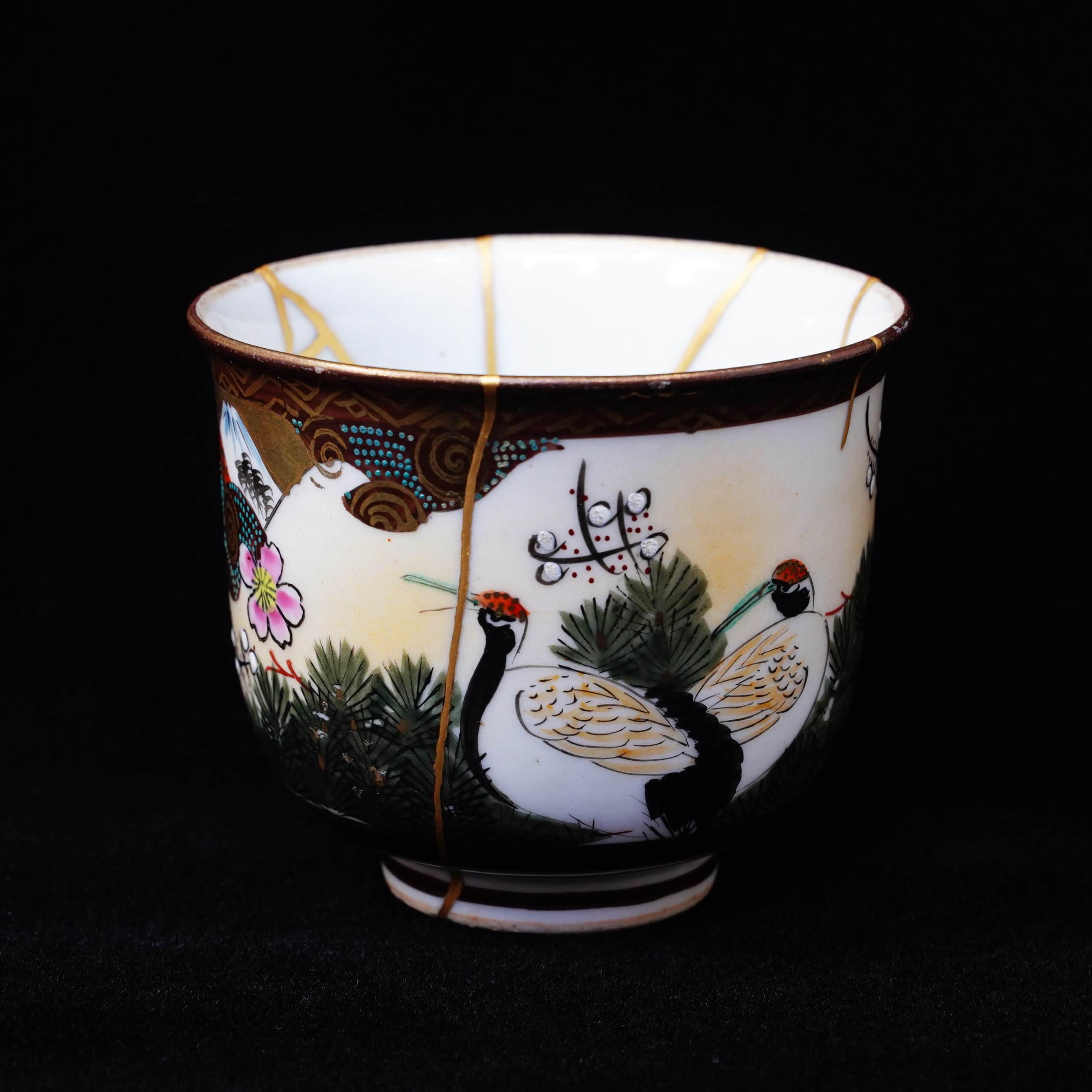
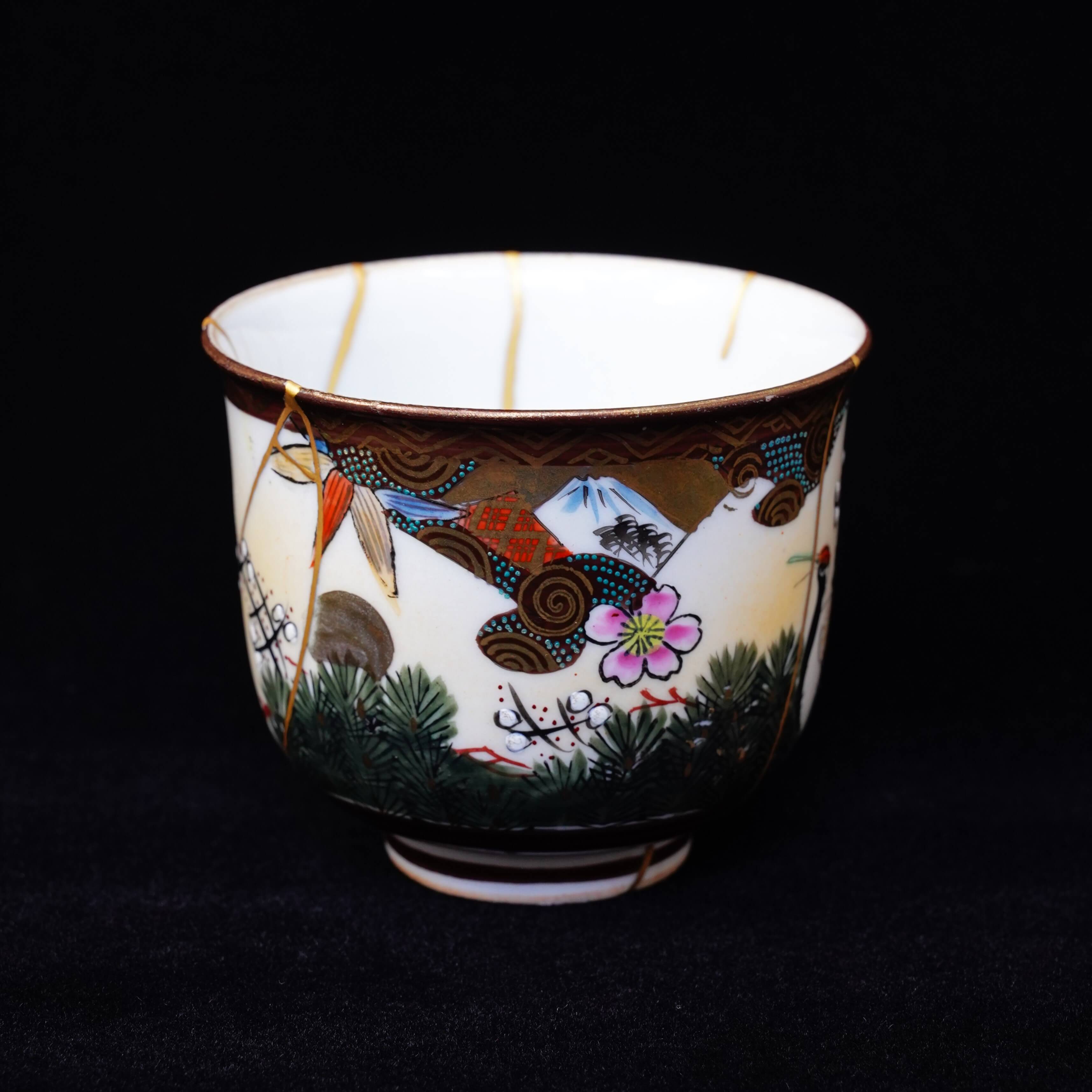
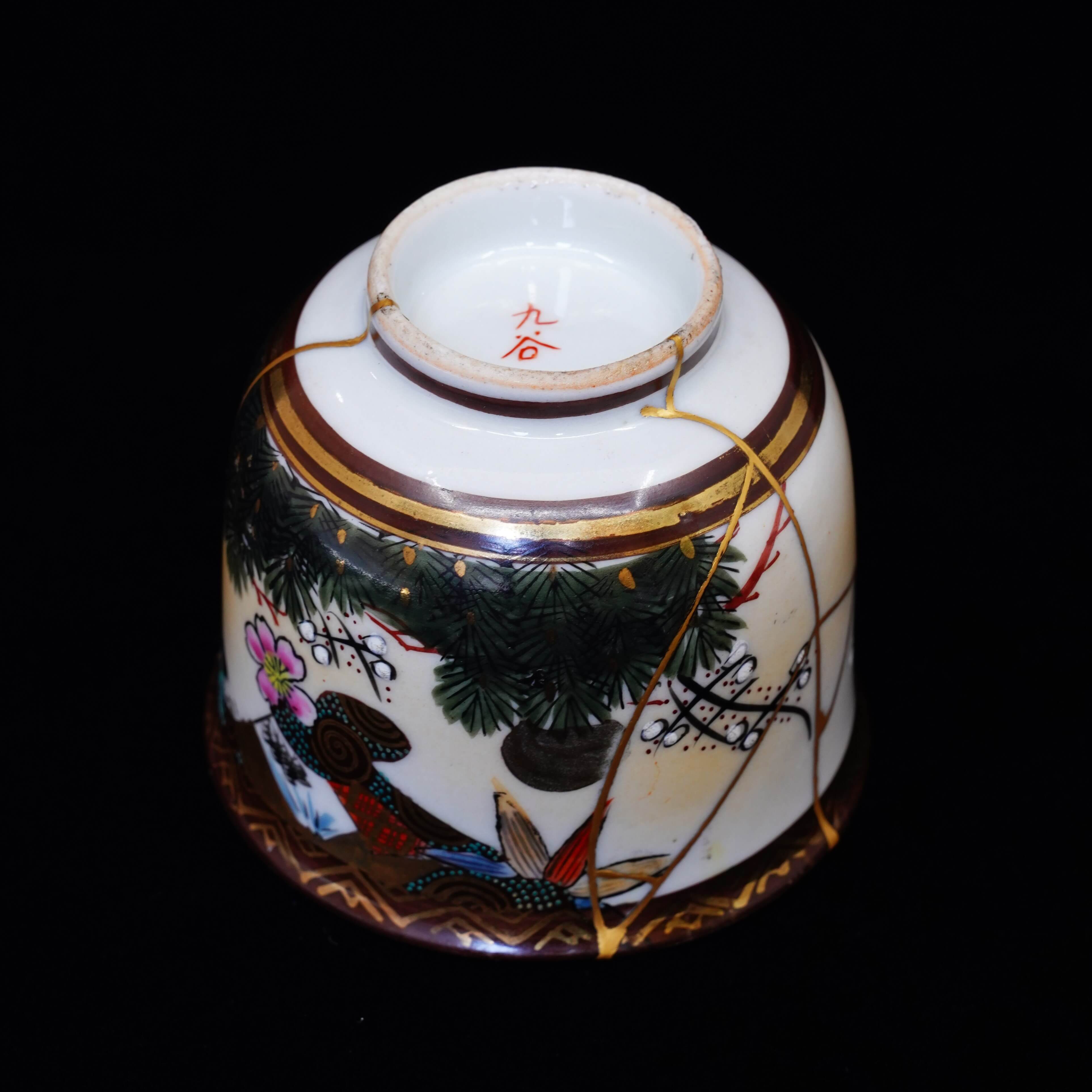
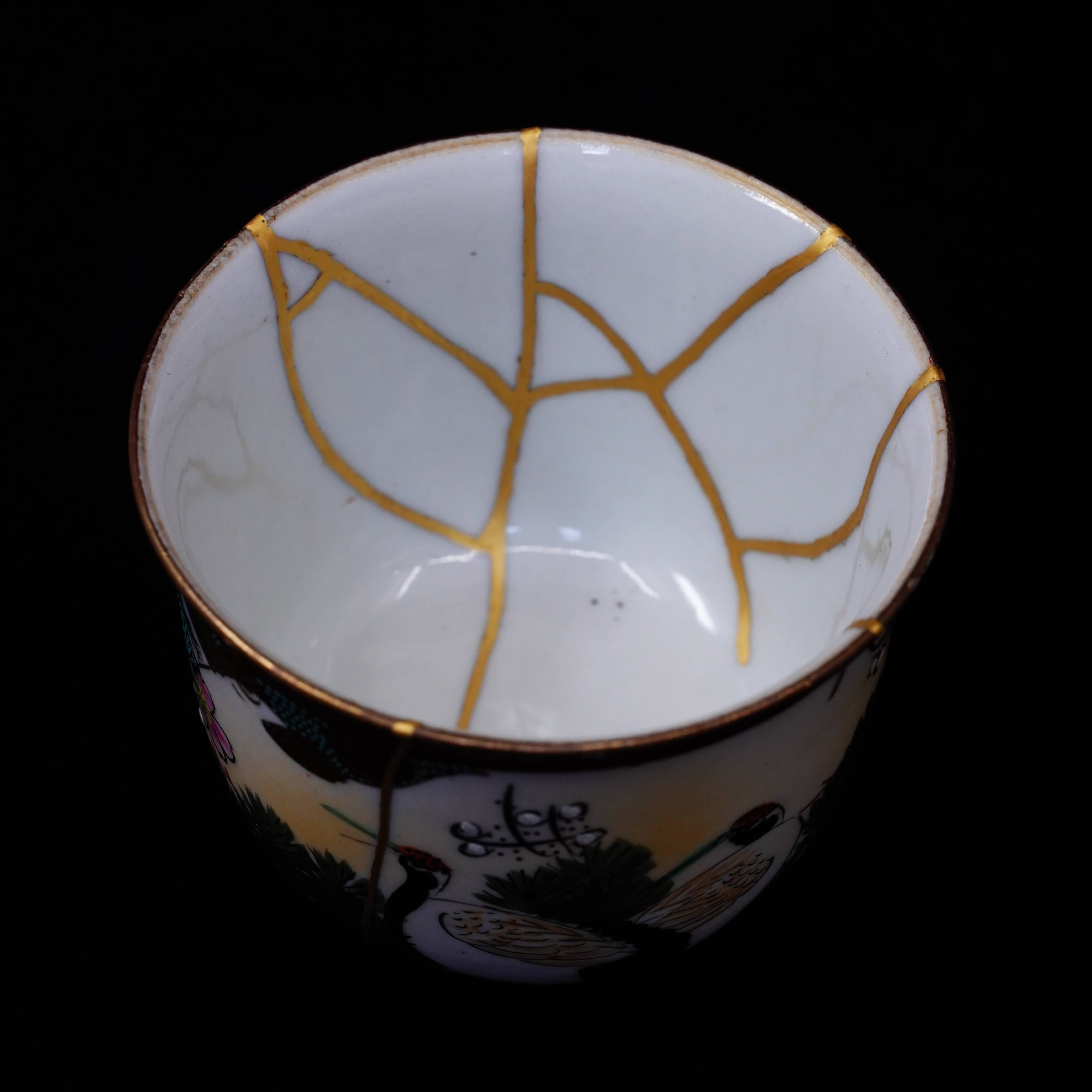
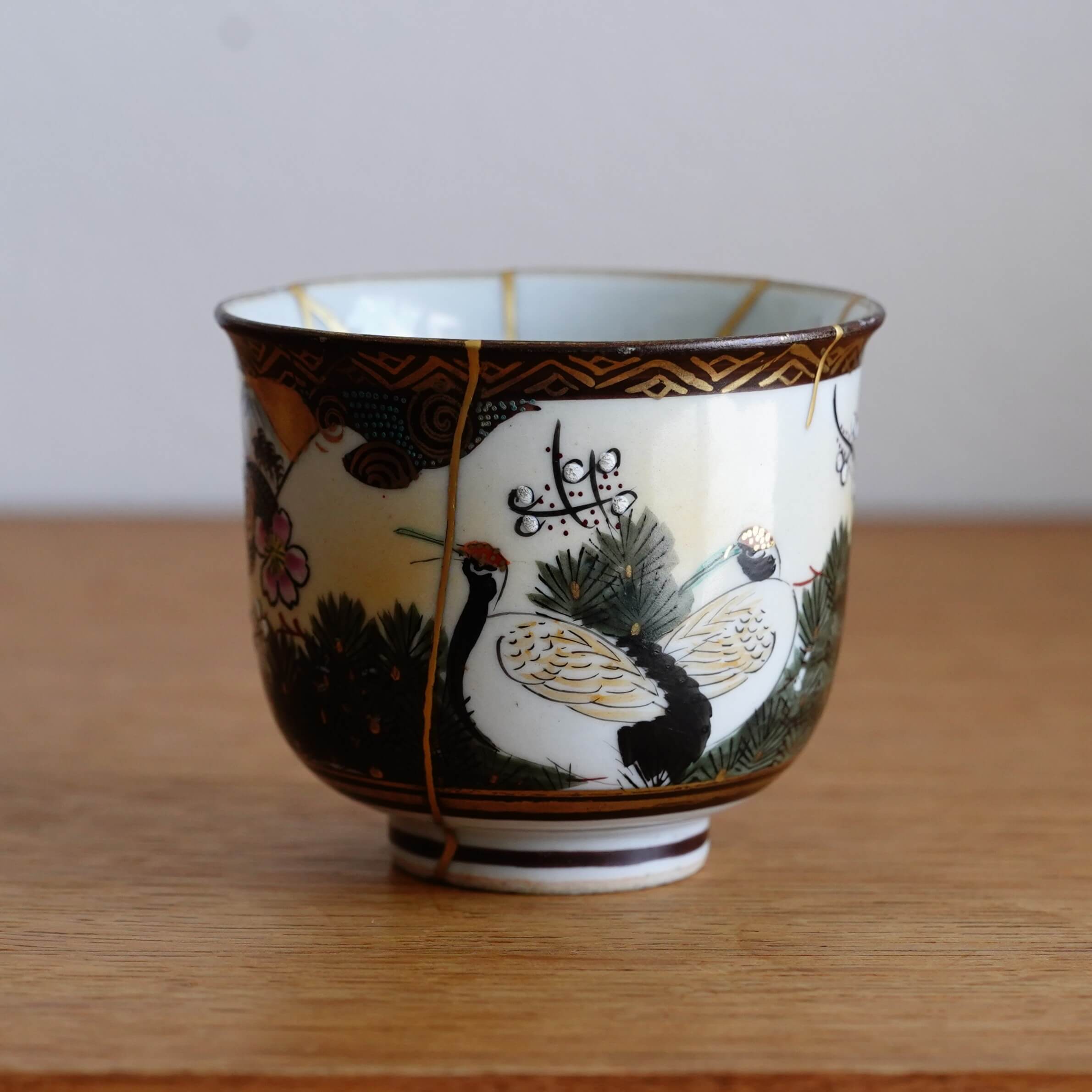
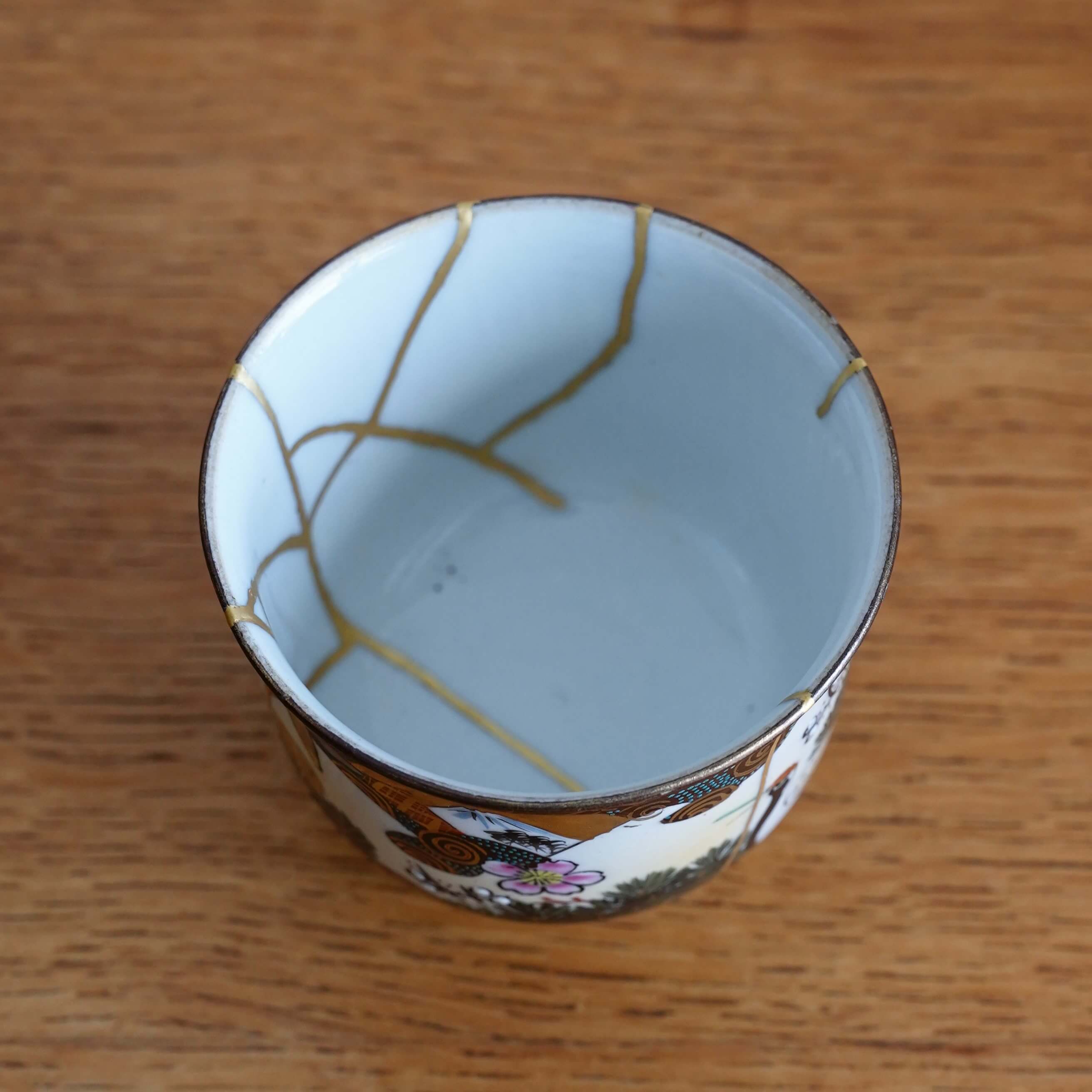
This Kutani ware teacup was made in Japan more than 100 years ago, around the Meiji era, and features a design of Mt. Fuji and cranes. It has since been repaired using the Kintsugi technique, finished with urushi lacquer and 23k gold powder — making it safe for everyday use as tableware.
- Diameter: 8 cm (3.15 in)
- Height: 7 cm (2.76 in)
- Country of Origin: Japan, Ishikawa Prefecture
- Finish: Matte gold powder
For international orders, import duties, taxes, and customs clearance fees may be charged by the customs authority in your destination country. These costs are determined by your country's customs authority and are not included in the product price or shipping fees. All such costs are the responsibility of the purchaser.
For U.S. Customers: Due to current U.S. trade regulations, import duties and taxes apply to all shipments to the United States. Payment may be requested at the time of delivery or afterward via an invoice from the carrier. To avoid delays in receiving your package, please pay carrier invoices promptly.
For details on available shipping countries/regions, delivery times, and other additional costs, please refer to our Shipping Policy.
About This Product
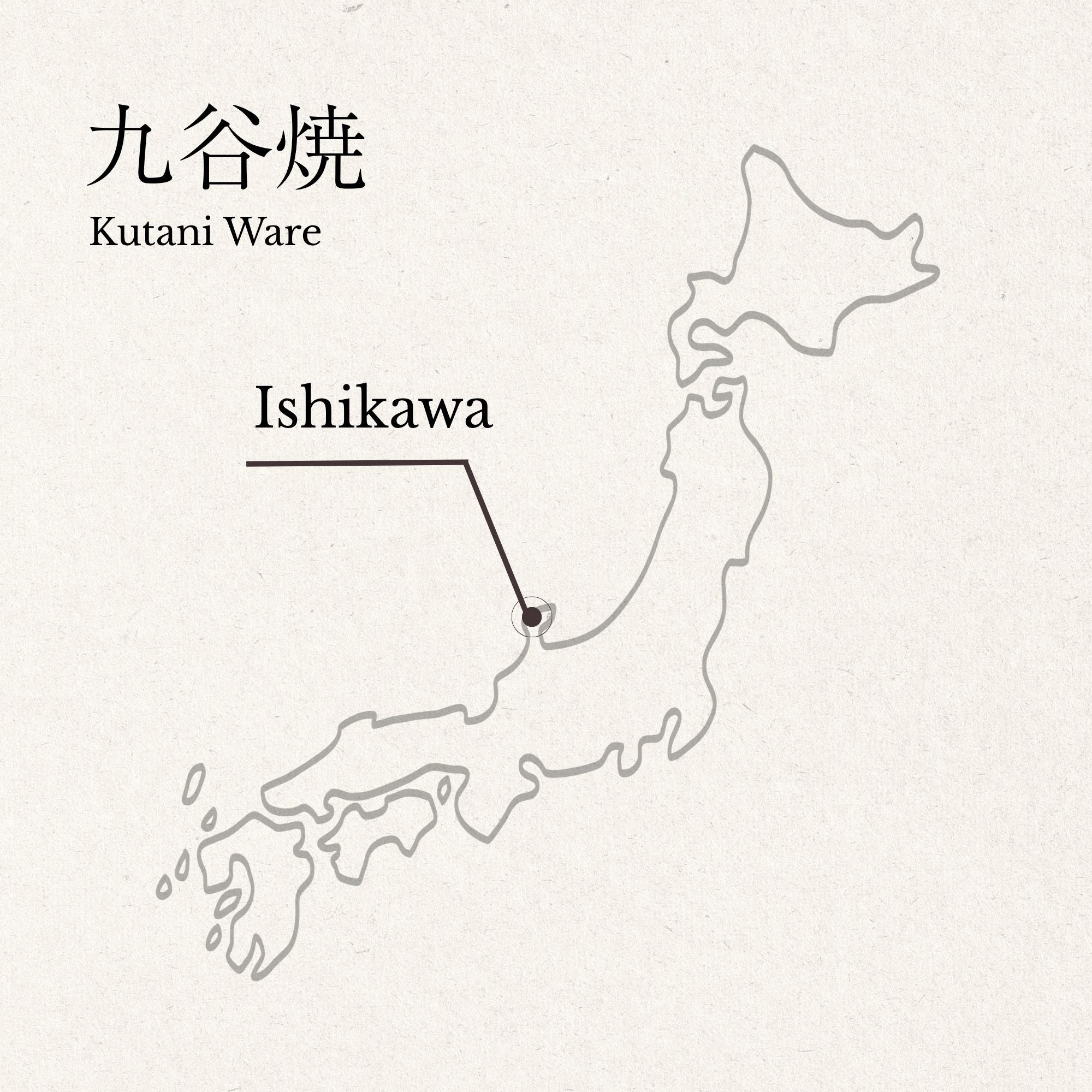
Kutani Ware × Kintsugi
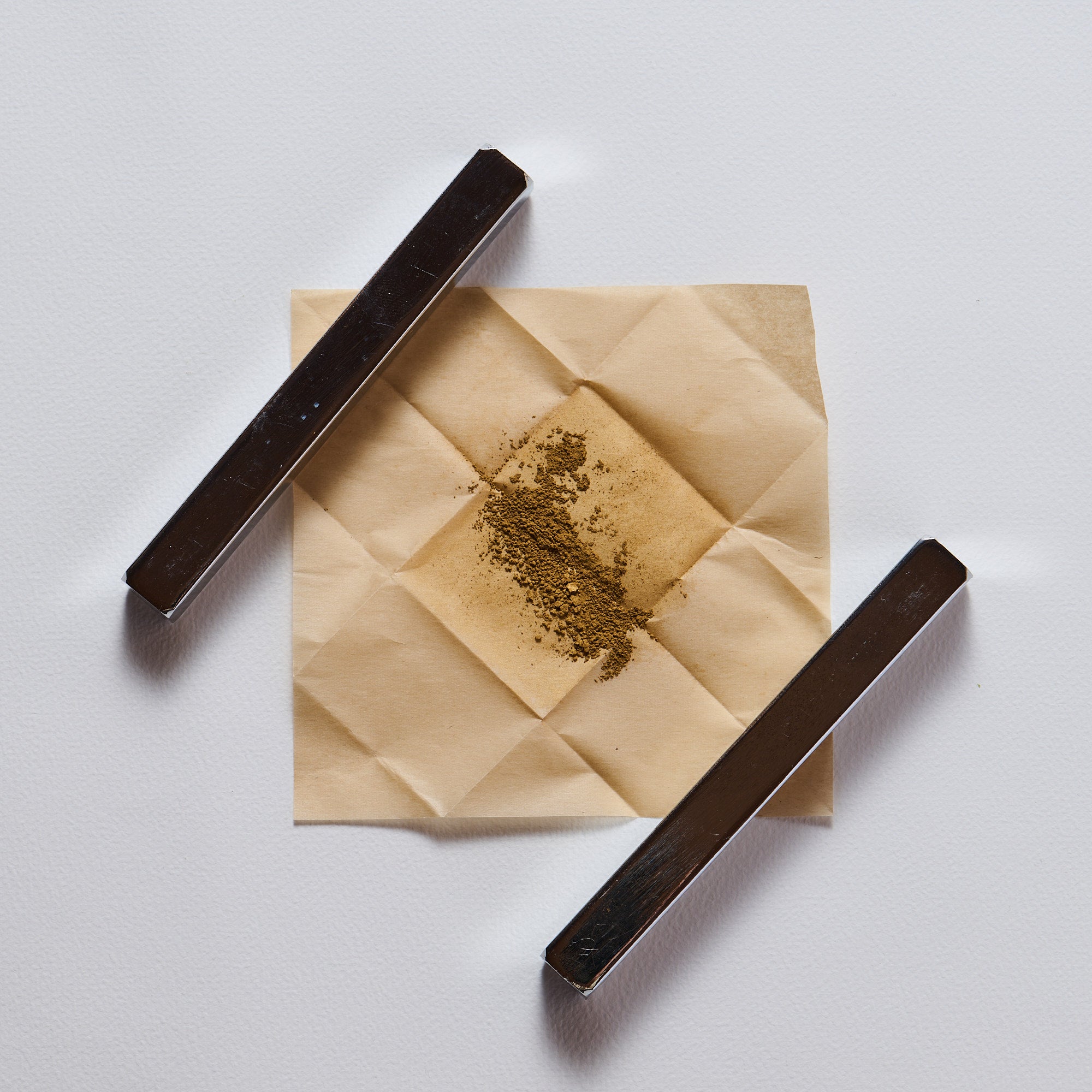
Matte Gold Powder Finish(23K gold)
Meiji-Era Antique Vessel

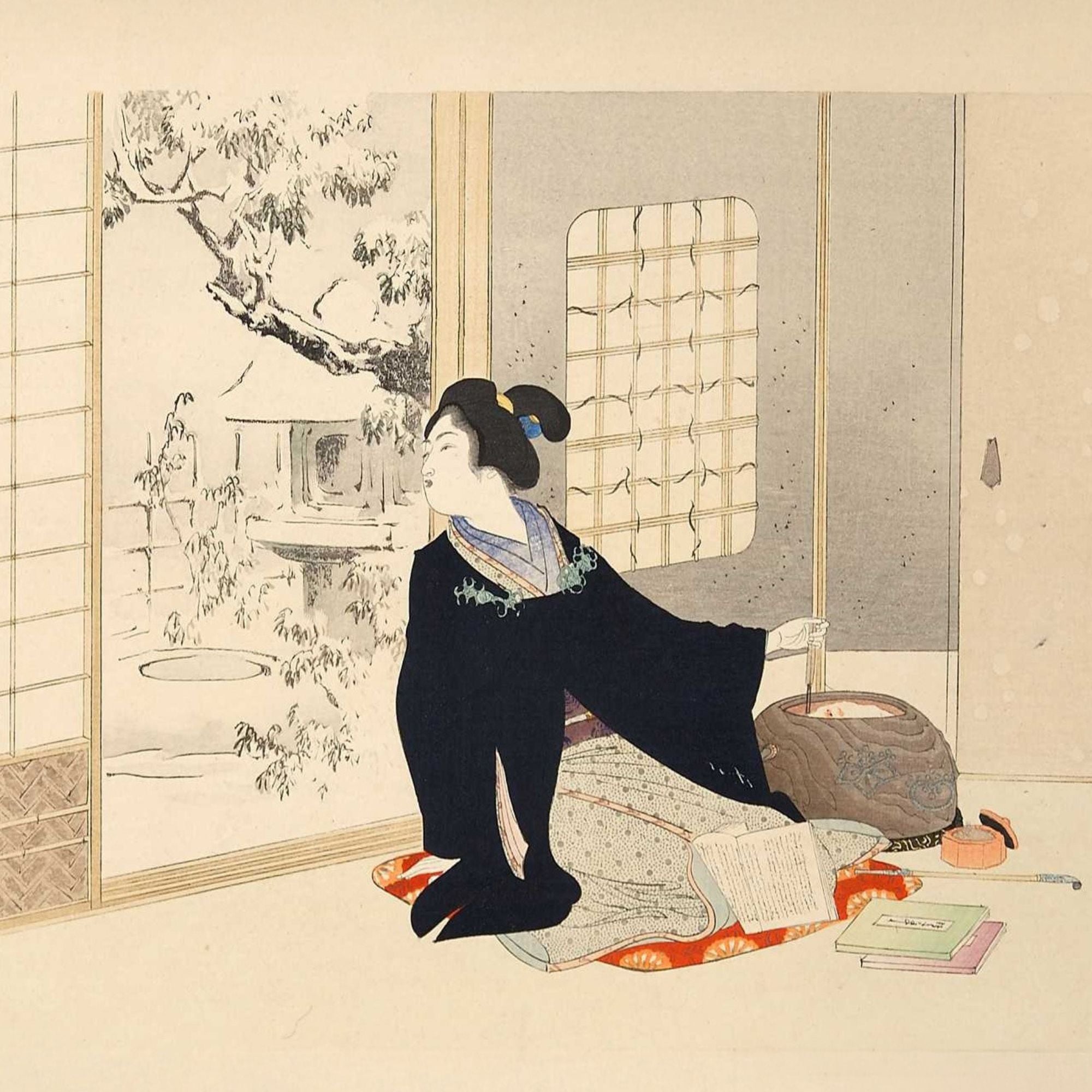
Kintsugi—— a traditional Japanese restoration technique passed down for over 500 years. Broken vessels are carefully joined with urushi, a natural lacquer, and finished with gold. Rather than hiding the seams, kintsugi highlights them, giving the piece renewed life through its golden lines.
At the heart of this practice lies wabi-sabi, a Japanese aesthetic that finds beauty in the imperfect and the transient. Rather than seeing breakage as a flaw, it is regarded as a unique chapter in the vessel’s story. Kintsugi philosophy offers a quiet sense of healing in our modern lives.

ANYTSUGI
Inheriting memories, inheriting the world.
In Tokyo, where artisan craftsmanship has thrived since the Edo period, we mend broken vessels with gold to create new beauty.
ANYTUGI is dedicated to sharing the ancient Japanese art of kintsugi and the spirit of wabi-sabi with the world. Broken objects are reborn through your own hands. Bring those quiet moments into your everyday life.

ANYTSUGI Activities ①
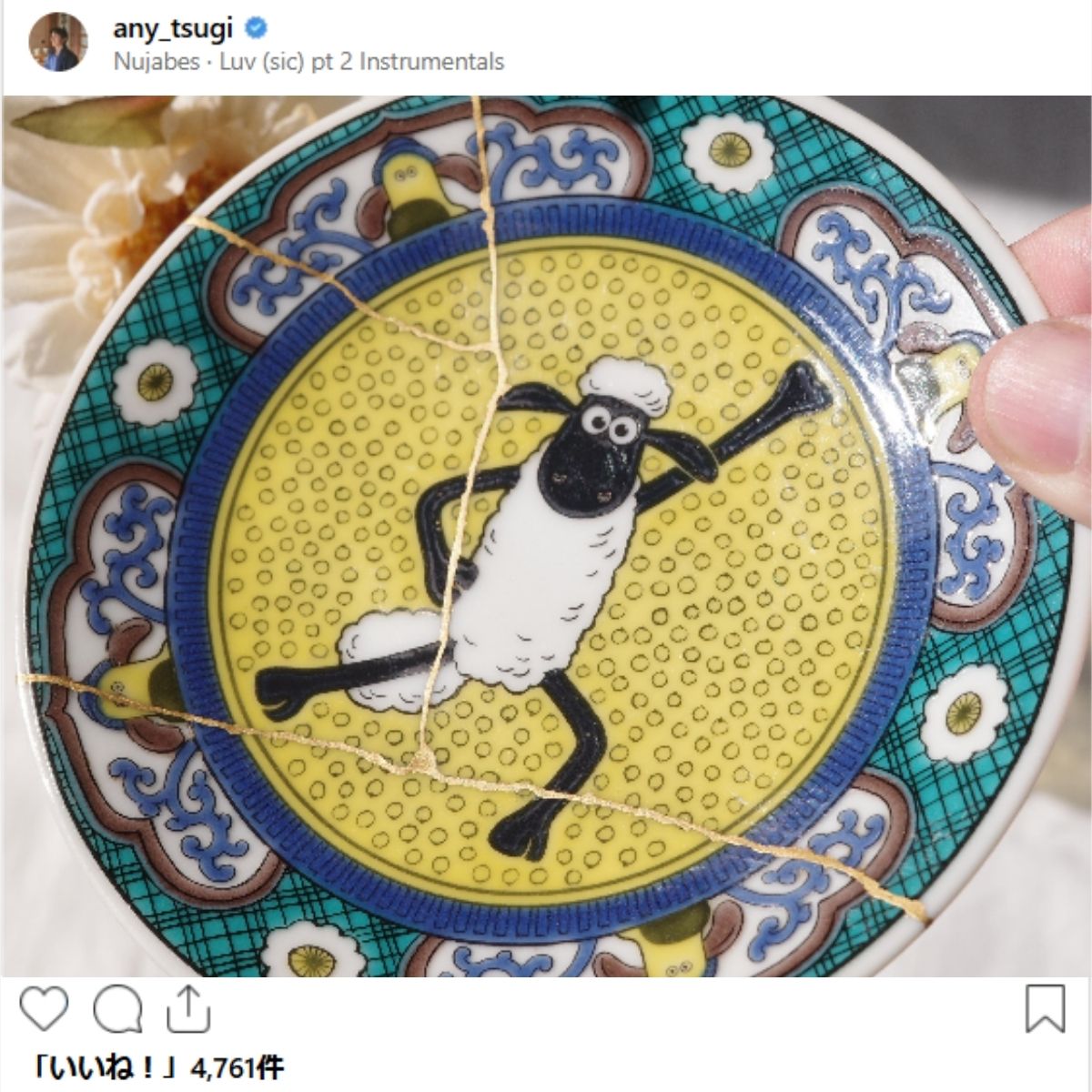
We share kintsugi work processes and techniques primarily on Instagram. As of 2026, our total followers have surpassed 10,000. Our joy comes from inspiring people who've never heard of kintsugi to think, "I want to try this."
Official InstagramANYTSUGI Activities ②
In an era where discarding broken items has become the norm, we believe that well-used vessels hold their owner's time and memories. Kintsugi is a method of restoration that honors these traces. While accepting repair requests from around the world, we convey the value of cherishing and using things for a long time.
Request a RepairANYTSUGI Activities ③
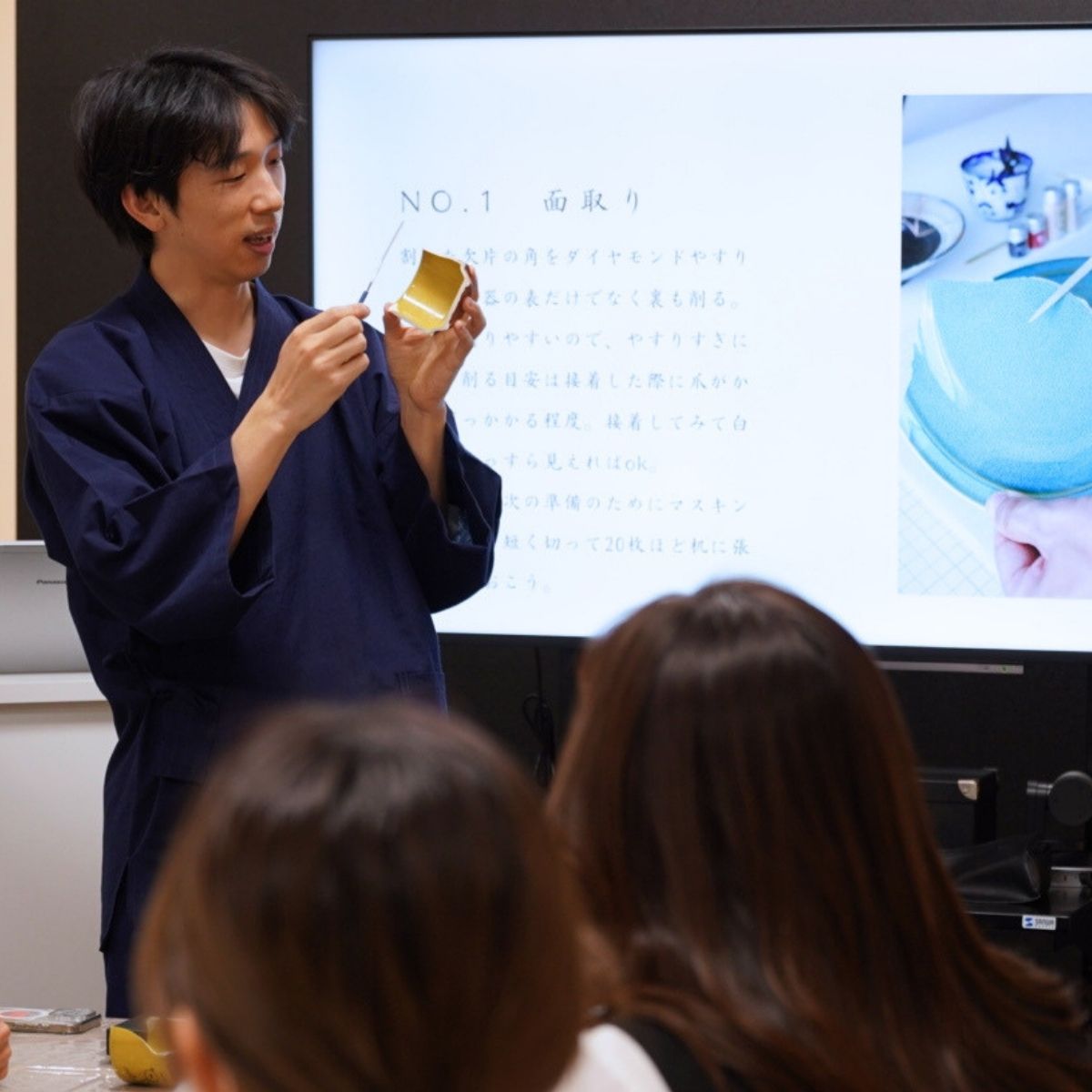
Kintsugi is both a technique and a culture that shapes how we see and value things. In our workshops, participants experience the practice hands-on while exploring the history of kintsugi and the uniquely Japanese sensibility of "wabi-sabi" that underlies it.
Request a WorkshopFAQ
Can I purchase from outside Japan?
Yes. You can currently purchase from any country available in the menu at the top of the page. We are expanding to more countries, so if your country is not listed, please feel free to contact us.
Are customs duties included in the price?
No, they are not included. Whether customs duties apply depends on your country of residence. If customs duties are charged, you will be responsible for payment.